08
Jul
2026
Zoom call regarding Alzheimer’s and Dementia
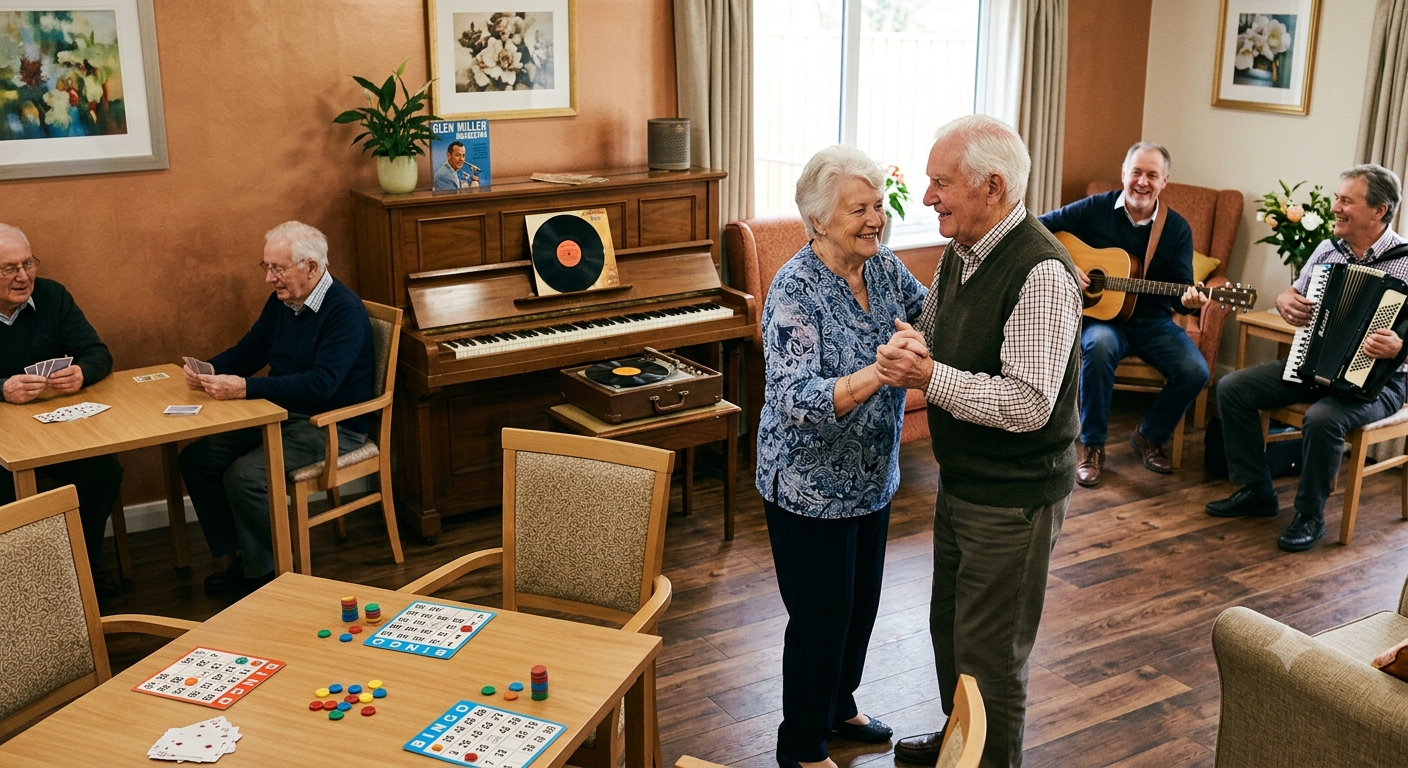
As a Senior Real Estate Specialist (SRES®), I’ve had the privilege of helping many families through major life transitions, including those with a loved one affected by Alzheimer’s disease and other forms of dementia. These diagnoses don’t just impact the individual—they touch entire families, caregivers, and friends. Understanding what to expect and learning practical ways to communicate with and support a loved one can make an incredible difference for everyone involved.A fellow REALTOR® recently attended an excellent educational Zoom call on Alzheimer’s and dementia and shared some valuable caregiving tips and strategies for reducing risk. I thought the information was too important not to pass along. Whether you’re currently caring for a loved one, preparing for the future, or simply wanting to better understand these diseases, I hope you’ll find the insights below both helpful and encouraging.
This week’s ActiveRain Zoom call focused on the diseases of Alzheimer’s as well as dementia symptoms. Interestingly enough, all of the people who participated in today’s Zoom call have known and/or cared for someone who had these biological brain disorders. Because much of our discussion could be useful by all other ActiveRainers, we are sharing the output of our meeting here.
We covered two different topics today. The first was how to care for someone with Alzheimer’s (this term will be used for any dementia) and second, what can we do to stay brain healthy.
Caring for/visiting someone with Alzheimer’s:
The team brainstormed these ideas on how to help those with Alzheimer’s:Engage the person with open ended questions so they don’t have to struggle to remember a fact (for example, instead of saying, “who is that person” say something like “what do you think of this photo?”)
Stay present with where your loved one is at the time. For example, if they are talking about someone who has passed away and they ask if they’re going to see them this weekend for a fishing trip, say sure! Don’t correct their thoughts about the present. Just be there.
Music from the past can often be used to engage someone who has Alzheimer’s. They will sing along and remember things from that time period. Try I ❤️ Radio.
All people with these brain ailments can act differently. Some are angry that they cannot remember. Some focus on specific things or people. Some get their days and nights mixed up. There is no one size fits all for care.
Bringing a person to places they used to visit or live in can juggle memories and get them to share and be engaged.
Read “The 36 Hour Day” by Nancy L. Mace and Peter V. Rabins to learn more about the disease and how to be a caregiver.
Write down the answers to commonly asked questions and provide that information to the person with the memory issues. Write out things like “today’s date is June 6, 2023, and you are staying with your son George and his wife Mary and …” The information should be based on whatever it is that person keeps asking. This can help both the caregiver and person with Alzheimer’s.
Try playing games or doing activities with the person. Some may like bingo, or cards, or even raking leaves.
Patience is a must! One example given dealt with going out to dinner and someone ordered four different desserts because they didn’t remember they already ordered one. Also, repeating questions can be very hard to deal with as a caregiver so patience is needed.
Don’t be afraid to ask for help if providing caregiving to someone with Alzheimer’s. It can be very difficult, especially if the person needs to be watched 24 hours a day (because they like escaping, causing themselves or others harm, or need help eating and staying clean). Many of us don’t like to ask for help for anything, but it’s a must if the caregiver is to retain their own health!
Even if the person won’t remember you’re there, visit and stay for a while. Engage them in whatever activities they are interested in, tell stories!
Mitigating Alzheimer’s Risk
Second, we talked about how to keep ourselves healthy and hopefully not get Alzheimer’s.
The main takeaway was that we needed to make sure our body and mind stay as healthy as can be. We need to make sure to:Aim for 150 minutes of moderate aerobic exercise per week.
Eat Brain-healthy foods such as those found in a Mediterranean diet
Eat blueberries.
Stay Cognitively and Socially Active – constantly stretch your mind by continuing to learn new things such as language or instrument, do daily puzzles, and interact with friends, family and community groups.
Take care of issues such as high blood pressure, high cholesterol and diabetes.
Limit seed oils from your diet.
Follow the below chart:
And follow this guidance regarding what kinds of foods to eat:

Finally, besides taking care of our body and brain, we need to take care of the legal documents necessary to make sure the people we want to take care of us and make decisions (if we were to have Alzheimer’s) will be able to. In my state, the forms are a Durable Power of Attorney and Health Care Power of Attorney, but we need to make sure we use the correct documents for our state. If we don’t, and we become unable to take care of our own business, a conservator-ship may be required which can be expensive and challenging.
The above ideas were a compilation of the thirteen people on today’s call. If anyone has items they would like to add to this post, please let me know and I will keep this updated. Also, to today’s attendees, if I captured something incorrectly, let me know and I’ll fix it!
The bottom line is that Alzheimer’s and dementia are not going away. In fact, it was mentioned today that someone in the United States is diagnosed with Alzheimer’s disease approximately every 65 seconds. Let’s do what we need to so that we don’t add to that statistic. And let’s give ourselves grace if we are caring for a loved one who has Alzheimer’s. And ask for help!
This week’s ActiveRain Zoom call focused on the diseases of Alzheimer’s as well as dementia symptoms. Interestingly enough, all of the people who participated in today’s Zoom call have known and/or cared for someone who had these biological brain disorders. Because much of our discussion could be useful by all other ActiveRainers, we are sharing the output of our meeting here.
We covered two different topics today. The first was how to care for someone with Alzheimer’s (this term will be used for any dementia) and second, what can we do to stay brain healthy.
Caring for/visiting someone with Alzheimer’s:
The team brainstormed these ideas on how to help those with Alzheimer’s:Engage the person with open ended questions so they don’t have to struggle to remember a fact (for example, instead of saying, “who is that person” say something like “what do you think of this photo?”)
Stay present with where your loved one is at the time. For example, if they are talking about someone who has passed away and they ask if they’re going to see them this weekend for a fishing trip, say sure! Don’t correct their thoughts about the present. Just be there.
Music from the past can often be used to engage someone who has
Alzheimer’s. They will sing along and remember things from that time period. Try I ❤️ Radio.All people with these brain ailments can act differently. Some are angry that they cannot remember. Some focus on specific things or people. Some get their days and nights mixed up. There is no one size fits all for care.
Bringing a person to places they used to visit or live in can juggle memories and get them to share and be engaged.
Read “The 36 Hour Day” by Nancy L. Mace and Peter V. Rabins to learn more about the disease and how to be a caregiver.
Write down the answers to commonly asked questions and provide that information to the person with the memory issues. Write out things like “today’s date is June 6, 2023, and you are staying with your son George and his wife Mary and …” The information should be based on whatever it is that person keeps asking. This can help both the caregiver and person with Alzheimer’s.
Try playing games or doing activities with the person. Some may like bingo, or cards, or even raking leaves.
Patience is a must! One example given dealt with going out to dinner and someone ordered four different desserts because they didn’t remember they already ordered one. Also, repeating questions can be very hard to deal with as a caregiver so patience is needed.
Don’t be afraid to ask for help if providing caregiving to someone with Alzheimer’s. It can be very difficult, especially if the person needs to be watched 24 hours a day (because they like escaping, causing themselves or others harm, or need help eating and staying clean). Many of us don’t like to ask for help for anything, but it’s a must if the caregiver is to retain their own health!
Even if the person won’t remember you’re there, visit and stay for a while. Engage them in whatever activities they are interested in, tell stories!
Mitigating Alzheimer’s Risk
Second, we talked about how to keep ourselves healthy and hopefully not get Alzheimer’s.
The main takeaway was that we needed to make sure our body and mind stay as healthy as can be. We need to make sure to:Aim for 150 minutes of moderate aerobic exercise per week.
Eat Brain-healthy foods such as those found in a Mediterranean diet
Eat blueberries.
Stay Cognitively and Socially Active – constantly stretch your mind by continuing to learn new things such as language or instrument, do daily puzzles, and interact with friends, family and community groups.
Take care of issues such as high blood pressure, high cholesterol and diabetes.
Limit seed oils from your diet.
Follow the below chart:
And follow this guidance regarding what kinds of foods to eat:
Finally, besides taking care of our body and brain, we need to take care of the legal documents necessary to make sure the people we want to take care of us and make decisions (if we were to have Alzheimer’s) will be able to. In my state, the forms are a Durable Power of Attorney and Health Care Power of Attorney, but we need to make sure we use the correct documents for our state. If we don’t, and we become unable to take care of our own business, a conservator-ship may be required which can be expensive and challenging.
The above ideas were a compilation of the thirteen people on today’s call. If anyone has items they would like to add to this post, please let me know and I will keep this updated. Also, to today’s attendees, if I captured something incorrectly, let me know and I’ll fix it!
The bottom line is that Alzheimer’s and dementia are not going away. In fact, it was mentioned today that someone in the United States is diagnosed with Alzheimer’s disease approximately every 65 seconds. Let’s do what we need to so that we don’t add to that statistic. And let’s give ourselves grace if we are caring for a loved one who has Alzheimer’s. And ask for help!
|
Kalispell, Bigfork, Lakeside and Somers areas. Are you getting ready to sell or purchase land or a home in Kalispell or the surrounding vicinity? Let’s talk!  Facebook | LinkedInAbout MeMy Blogroughcutproductsllc.com Email Me Facebook | LinkedInAbout MeMy Blogroughcutproductsllc.com Email Me
|
 (406) 270-3667CALL OR TEXT KAT PALMIOTTI, BROKER |
Rain Silverhawk
Rain Silverhawk is an Associate Broker and owner of Sandpoint Realty serving Bonner, Boundary and Kootenai Counties. Rain has over 40 years of real estate experience and specializes in waterfront, acreage, off-grid properties, wells, septic systems and rural North Idaho real estate.
Come See Listings or more about Rain Silverhawk at
http://www.northidahosandpoint.com
northidahosandpoint@gmail.comRain Silverhawk RealtorSandpoint Realty LLC1205 Hwy 2 STE 203 B | Sandpoint, ID. 83864 Phone (208) 610-0011
Share this:

[top]